
The Human Problem
At 11pm, a parent gets a distressing call from their child at university. The child is struggling mentally, emotionally, maybe in crisis. The parent wants to help but doesn’t know what to say, is terrified of making it worse, and has nowhere to turn at that moment.
They turn to Google. They find generic advice that doesn’t fit the situation. They feel powerless, isolated, and more anxious than before.
This is the acute moment Youmi was built to serve.
Youmi is a mental health support platform with a distinctive focus: rather than supporting the person who is struggling, it supports the people who are supporting that person – parents, friends, siblings, peers. The design challenge was to make that support feel human, timely, and genuinely useful rather than overwhelming.
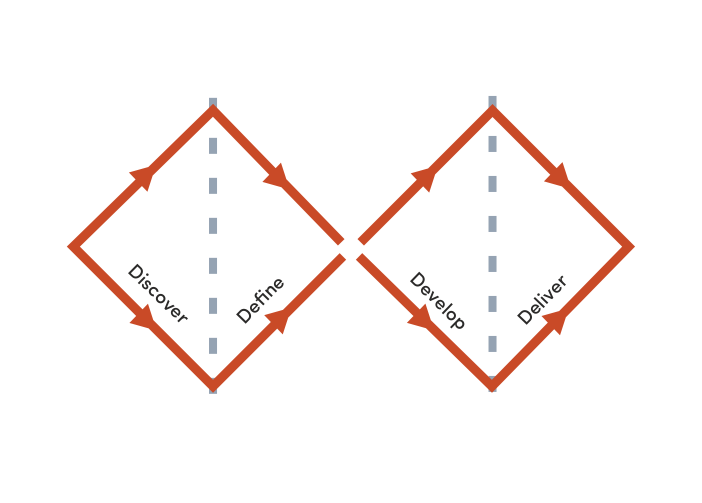
I was part of the service design team working with Youmi Support through Experience Haus. My contributions spanned the full double diamond:
I led systems mapping efforts to understand the full ecosystem around a university student's mental health, mapping People, Objects, Places, Brands, Activities, Environment and Nature as interconnected nodes
By interviewing different people, we developed the parent "Supporter" persona (Lacey) and I contributed to the empathy map and Jobs To Be Done (JTBD) framework
I contributed to the full-scale scenario development and the storyboarding of Lacey's journey from uncertainty to confidence
I Contributed to the service blueprint and the structural logic of the onboarding flow, ensuring the front-stage experience mapped directly to back-stage university and Youmi processes
The original brief was peer-to-peer: students supporting other students. But research changed that.
As we ran surveys, conducted interviews and mapped the ecosystem, a clearer picture emerged. We identified a missing piece – the parents. The original brief indicated that students were mostly affected by the trauma of supporting their peers, but the research indicated that parents were often the first responders in such situations because the students often expected them to get involved, something the universities were not set up to support.
We ran surveys, conducted 5 in-depth interviews with supporters, and carried out extensive desktop research including a competitor landscape analysis. Three key insights were uncovered:
From the research, we arrived at two “How Might We” questions that drove the rest of the project:
“How might we help parents feel confident in supporting a child at university struggling with their mental health?”
“How might we support parents with children in university, at the right time they need that support?”
The emphasis on “confidence” and “timing” was deliberate. Based on our research, parents were already familiar with getting answers. They had Google, they had blog posts, but they lacked the confidence to step in when it mattered most. The insight that shaped the service was that parents needed to be prepared “before” a crisis, not just resourced “during” one.